
What is Abrasive Blasting?
Industrial abrasive blasting is widely used for surface cleaning and preparation of certain materials. These include metals, plastics, wood, and glass. See some of the applications of what and why abrasive blasting can and should be used.
Abrasive blasting is more efficient for surface preparation and cost-effective, time efficient, environmentally friendly, and less harmful to humans. Don’t get us wrong; we will continue to implement safety measures. Unlike sandblasting, which is illegal in the UK and can also cause Silicosis. Which we do not recommend.
Abrasive blasting uses air or water to propel abrasive media against a surface to remove coating, corrosion, or contamination. It is also known as sandblasting, grit blasting, or media blasting. Abrasive blasting can be used for many purposes, including:
Make rough surfaces smooth again.
Make smooth surfaces rough again.
Shape a surface to mould your new needs.
Remove surface contaminants or material, like paint, rust, or even a type of residue.
Clean or prepare a surface ready for coating or re-application.
So, depending on the project work will depend on precisely what type of technique or media will be used for your blasting needs.
Types Of Abrasive Blastings
Abrasive blasting may be referred to by several different terms, depending on what is being blasted, how it is being blasted, or where it is being used.
Bead Blasting: Glass bead blasting uses glass beads, usually at lower air pressure. The glass beads clean, deburr, or peen metal surfaces. Blasting with glass beads allows you to remove paint, corrosion and rust from metal without leaving embedded material. Beads can be used in either dry or wet blasting. Bead blasting leaves a clean, bright finish and a slightly dimpled profile. The smaller the glass beads you use, the smoother the finished surface. Glass beads are non-toxic and pose no risk of silicosis.
Shot Blasting: Shot blasting uses spherical steel shot to clean a surface, usually metal. A peening effect is produced by shot blasting, which can add compressive strength to the blasted surface. Shot blasting may occur in a cabinet or blast room if sufficient pressure is used.
Wheel Blasting: Wheel blasting is an abrasive blasting method that uses a rotating wheel to propel media and is typically used with heavier abrasives, like shot or grit.
Wet blasting: Wet blasting involves mixing a dry abrasive with water; you can do this with equipment such as Water Injection Nozzles, Halo Nozzles and so on; a complete list of equipment is available on request.
Soda blasting: Soda blasting is a pneumatic cleaning process that uses sodium bicarbonate as an abrasive and compressed air as fuel. Soda blasting can be used for many applications, including automotive restoration, rust removal, wood cleaning, graffiti removal, soot remediation, cleaning of boat hulls, and many others. The PSI used in soda blasting is generally lower than that used in traditional abrasive blasting.
Dry-ice blasting: Dry-ice blasting is a method of surface cleaning that uses high-pressure air to propel carbon dioxide pellets toward the surface to be cleaned. Today, it is most often used for cleaning food processing equipment.
Micro-blasting: Micro-blasting, also known as pencil blasting, is done with specialized bench-top equipment to blast small surfaces. The technique is used in glass etching and other highly detailed applications.
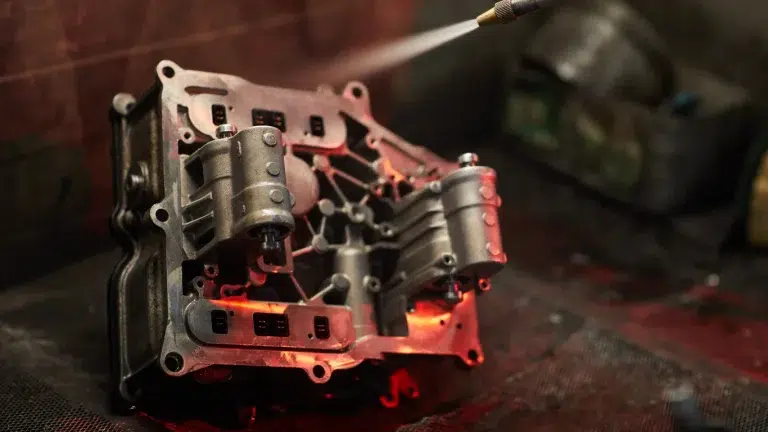
What is Dry Abrasive Blasting?
Dry abrasive blasting also known as dry impacting is an incredibly productive method of stripping away old coatings, plant scale, consumption and different impurities from metal surfaces.
Dry abrasive blasting is used to remove ageing paint, to strip the material back to the under-coated material, making the material blasted and ready for a new application of paint. This is achieved by propelling an abrasive material onto the painted surface at high pressure to remove the substance without damaging the original equipment.
Dry abrasive blasting is a highly effective way of stripping away old coatings, mill scale, corrosion and other contaminants from metal surfaces. Waste is a lot simpler to deal with too.
Versatility. Dry abrasive blasting impacting requires less hardware and readiness and can be directed in a more extensive scope of areas. In the event that residue is a worry, control and extraction using a transitory impact building or another appropriate epitome can be thought of.
Cost-successful. As it doesn’t include extra hardware or the control and removal of water and wet waste, dry impacting is similarly less expensive.
What is Wet Abrasive Blasting?
Wet blasting involves mixing a dry abrasive with water; you can do this with types of equipment such as Water Injection Nozzles, Halo Nozzles and so on, a complete list of equipment is available on request.
A benefit of wet abrasive blasting is dust reduction. Because of the utilization of water, wet impacting decrease the measure of residue created by the grating impacting measure. It is the key benefit of wet impacting. It ensures the employable, nearby working gatherings and any residue delicate plant from fine, rough, airborne particulates and is especially invaluable in open conditions.
The presence of water implies that there is more mass at the focal point. This implies that you may require less grating. These powers additionally give a reasonable, padded edge where the new covering is to interface with a sound, existing covering.
For certain kinds of wet impacting, you can strip the surface and clean it simultaneously. This discredits the requirement for a different washing interaction to eliminate media pieces and solvent salts.
Rough impacting can cause starting, which can cause blasts/fires where combustible gasses/materials are available. Wet impacting doesn’t totally eliminate flashes, however makes ‘cold’ sparkles, basically eliminating the static and in this way diminishing the danger of blast.
Health & Safety
Since abrasive blasting uses super fine media types, all our PPE needs to be rated and kept up to regulation. Particular equipment types are required, and with our in-house health and safety inspector, we can fulfil this need seamlessly.
- Abrasive Blasting Suit – Our team must wear a full-body suit while blasting to prevent particles from getting into their clothing or exposed skin.
- Abrasive Blasting Respirators – Our staff use a contained breathing apparatus (SCBA) when dry blasting. This device prevents accidental inhalation of any media particles we use. Our respirators are properly fit-tested to ensure respiratory protection is not compromised when we are working.
- Gloves and Boots – Our hands and feet are always protected with thick boots and gloves.
- Hearing Protection – Again, simple earplugs can work well at keeping out loud noises from abrasive blasting; we prefer noise-cancelling headsets.
- Face Shields and Helmets – Full head coverage is what we use; yes, standard face shields and goggles can be used; but we prefer to cut no cost when it comes to the health and safety of our team, resulting in us using full head gear.
Health and safety at NEBC are paramount; we take no risks and spare no expense on keeping our staff, clients and the public safe.
Types of Abrasive Blasting Media
The type of blast media you use depends on the desired result you want to achieve. Blasting media comes in various densities, hardness, shapes, and particle sizes. Depending on the job at hand will depend on the type of media we will use. See below for a list of media we can use to complete the required project.
- Steel shot (Shot Blasting)
- Steel grit
- Glass beads
- Aluminium oxide
- Crushed glass
- Garnet
- Silicon carbide
- Sodium bicarbonate
- Plastic grit
- Coal slag
- Pumice
- Copper slag
- Cut wire
- Ceramic grit
- Walnut shells
- Corn Cobs
- Apricot, Peach, or plum stone powder
- Dry Ice
We don’t use sand. Abrasive blasting with crystalline silica sands can cause severe or fatal respiratory disease.
Mechanical Surface Preparation
Mechanical surface preparation is the preparation and removal of abrasive particles on the surfaces of various metal workpieces before they are submitted for treatment.
The blast treatment involves an abrasive blast projected toward the surface of the material, prepping that material for re-application. Abrasive particles used in the blasting process will influence the surface with high kinetic energy associated with the high-speed blasting technique, separating the contaminants from the treated material.
One primary purpose of this technique is to create a suitable structure for the workpiece material to achieve it is well bonded to the protective coating, thus enhancing the protective power against corrosion. Which can result in saving money, as the extension of time of your material is greater if bonded than unbonded.
Chemical Paint Stripping
So, what is chemical paint stripping? Chemical paint stripping is when industrial materials, such as car shells, metal-based objects and so on, are stripped of such paint, filler, and lacquer. The process is designed to strip all coatings and chemicals attached to the metal, leaving nothing more than bare steel by the end of the process, ready for application or re-distribution.
Within chemical paint stripping there are multiple techniques of chemical stripping and depending on your desired results will depend on which method you wish to adopt. These alternative stripping techniques allow for the cleaning of certain materials (predominantly metals) without causing corrosion or damage. These methods can include the following…
- Solvent Paint Stripping
- Alkaline Paint Stripping
- Acid Paint Stripping
Oil & Gas Abrasive Blasting
Abrasive blasting grit is the most efficient material for open-space abrasive blasting. Using abrasive blasting techniques to clean and remove build-ups of rust and impurities is one of the most preferred methods of cleaning oil and gas pipelines. Not only is it the best method of cleaning the interior walls of pipelines, but it is also becoming an industry standard to use abrasive blasting techniques on the outside and inside of the pipelines.
Corrosion build-up is one of the biggest concerns oil and gas pipelines face, as without treatment could fundamentally create a need to replace the pipeline in use, creating a higher expense and resulting in a negative impact on profitability.
Abrasive blasting of the inner walls of pipelines will allow for a smoother flow of liquids and gas, increasing their efficiency and operability. So, keeping up with the maintenance of pipelines with abrasive blasting will keep your pipes running at maximum efficiency and cut the need for replacements so soon, minimising spending and increasing profitability.
Low & High Pressure Water Cleaning
High-pressure cleaning is particularly effective for removing greasy and sticky substances and complex contamination such as scale, paint, and deposits. Although high-pressure cleaning can be an excellent technique for removing unwanted substances, we must discuss the material being cleaned before application. We want to protect the equipment that is being cleaned with high-pressure washing and not cause unnecessary damage.
For jobs that don’t require high-pressure washing, we can offer a soft, low-pressure cleaning technique. Low pressure is usually used when flushing installation parts, requiring a lot of water but less pressure.
Both methods have temperature alternatives, depending on what objects/materials you need to clean.

Corrosion Under Insulation
Corrosion under insulation is a form of corrosion caused by moisture on the external surface of insulated equipment. CUI can occur on equipment in isolation, in any facility, and any environment. It is one of the most significant maintenance costs and safety hazards facing industries worldwide. The corrosion process under insulation is a build-up of moisture from water ingress into the insulation system. Once this occurs, a CUI campaign must begin.
We will inspect the equipment affected by the corrosion and begin the process of removal of decay through blasting methods; once completed, re-coating can start, and third-party inspection is then undertaken with health & safety completion.
Mobile Abrasive Blasting
If your equipment/material/structuring requires abrasive blasting before coating, we can offer a remote/mobile on-site service, reducing disruption within your business. Our mobile service can optimise turnaround times due to no need for delivery services.
Our Abrasive blasting techniques, including dustless blasting, make it straightforward for us to come to your site and work within your business and structure. Saving time and resulting in a reduction in costs too. We understand that disruption of business can significantly impact day-to-day proceedings.